









FPGARelated.com
Books

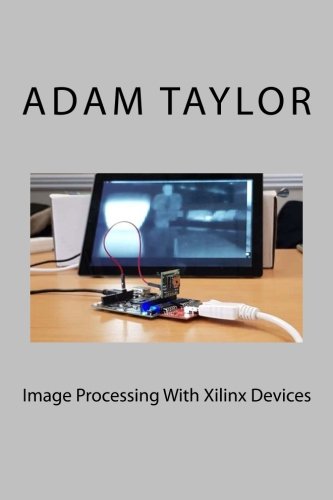
Image Processing With Xilinx Devices

Mr Adam P Taylor 2017

This book contains a compilation of a number of blogs from the MicroZed Chronicles which examines how to develop image processing systems using Xilinx FPGA and heterogeneous SoC. The initial chapters are new and explain the principles behind image processing sensors and sensor selection parameters.



Why Read This Book

You will learn how to build practical, working image‑processing systems on Xilinx FPGAs and Zynq heterogeneous SoCs using hands‑on examples drawn from the MicroZed Chronicles. The book blends sensor selection and interface guidance with FPGA/PL and embedded/PS implementation notes so you can move rapidly from camera choice to a deployed prototype.

Who Will Benefit

Engineers and hobbyists with some digital/embedded background who want to prototype real‑world image processing pipelines on Xilinx FPGAs and Zynq SoCs using practical, example‑driven guidance.

Level: Intermediate — Prerequisites: Basic digital logic and FPGA concepts, familiarity with C/C++ and/or embedded Linux, and some exposure to hardware description languages (Verilog/VHDL) or willingness to learn them.

Get This Book

Key Takeaways

  • Select appropriate image sensors and evaluate key sensor parameters (pixel size, frame rate, interfaces) for FPGA projects.
  • Interface CMOS/CCD sensors to Xilinx Zynq devices and implement camera input using parallel, MIPI CSI‑2 or custom protocols.
  • Design and optimize image processing blocks in PL using HDL or Vivado HLS and integrate them with the PS via AXI and DMA.
  • Deploy embedded Linux on Zynq platforms, write or adapt camera drivers, and pipe image streams between PS and PL.
  • Implement common image algorithms (filtering, color conversion, edge detection) efficiently on FPGA fabric for throughput and latency targets.

Topics Covered

  1. Introduction and scope — MicroZed Chronicles overview
  2. Basics of image sensors and selecting a camera for FPGA systems
  3. Pixel characteristics, color spaces and sensor output formats
  4. Camera interfaces: parallel capture, MIPI CSI‑2, and custom links
  5. Zynq architecture and interfacing PS ↔ PL for image systems
  6. AXI interconnects, DMA, and streaming data paths for video
  7. Implementing image primitives in HDL: convolution, color conversion, and thresholding
  8. Accelerating image algorithms with Vivado HLS and C/C++
  9. Building a complete FPGA image pipeline: buffering, synchronization, and timing
  10. Linux on Zynq: drivers, GStreamer integration, and user‑space tools
  11. FPGA‑based DSP for image processing: fixed‑point, resource tradeoffs, and optimization
  12. Practical projects and worked examples using the MicroZed board
  13. Debugging, testing, and performance measurement for video systems
  14. Appendix: toolchain notes (Vivado, Vivado HLS, Xilinx SDK/PetaLinux) and resources

Languages, Platforms & Tools

CC++VerilogVHDLVivado HLS (C/C++ for HLS)Xilinx Zynq‑7000 SoC (MicroZed, ZedBoard and similar)Xilinx FPGA families (Artix‑7/Kintex/Spartan variants in examples)Xilinx VivadoVivado HLSXilinx SDKPetaLinuxLinux user‑space tools (GStreamer, V4L2)JTAG/serial debug tools

How It Compares

Compared to The Zynq Book (which focuses broadly on Zynq embedded design) and FPGA DSP textbooks (which emphasize theory), this title is a blog‑based, hands‑on collection concentrated specifically on practical image sensor selection, interfacing, and prototype examples for Xilinx devices.

Related Books