









FPGARelated.com
Books

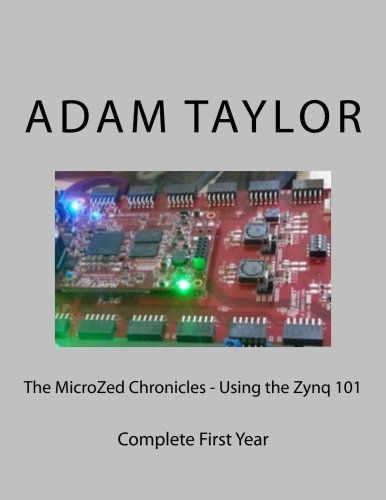
The MicroZed Chronicles - Using the Zynq 101: Complete First Year

Taylor CEng, Mr Adam P 2015

The Xilinx Zynq System on Chip is the SoC in demand at the moment, the MicroZed Chronicles takes you in 52 lessons from the beginning of hello world to creating peripherals within the FPGA and adding in operating systems to make you be able to use the device like a seasoned professional. With over 150 images used to illustrate the lessons and numerous code examples key areas include The Zynq & the SW development environment Configuring the device and generating a boot image XADC & Alarms MIO and EMIO Interrupts including PL to PS Timers, Watchdog both system and Private Triple Timer Counters Creating a AXI Peripheral for the FPGA PS DMA Detailed example of AXI peripheral, SW development Zynq Operating Systems - uc/osiii & FreeRTOS AMP - including communication between cores and SW interrupts


Why Read This Book

You should read this if you want a pragmatic, project-driven path from "hello world" to building AXI-connected FPGA peripherals and running real-time OSes on the Zynq SoC. The book gives step-by-step lessons, screenshots and code examples so you can follow along on a MicroZed board and quickly gain practical Zynq development skills.

Who Will Benefit

Embedded/FPGA engineers and advanced hobbyists who want hands-on experience building PS/PL systems on the Xilinx Zynq-7000 using the MicroZed board and Vivado/SDK workflows.

Level: Intermediate — Prerequisites: Basic C programming and embedded systems concepts, familiarity with digital logic/HDL concepts helpful; some prior exposure to FPGA tools or Linux is useful but not strictly required.

Get This Book

Key Takeaways

  • Configure and boot a Xilinx Zynq-7000 system and generate a working boot image for MicroZed.
  • Use XADC and implement alarm/monitoring functions for on-chip analog/fixed sensors.
  • Set up MIO/EMIO and implement PL-to-PS and PS-to-PL interrupt handling.
  • Design and integrate a custom AXI peripheral in the PL and write the accompanying device driver code.
  • Implement PS DMA transfers and optimize data movement between PS and PL.
  • Port and run embedded RTOSs (FreeRTOS, µC/OS-III) and set up AMP multicore communication between Cortex-A9 cores.

Topics Covered

  1. Introduction to the Zynq-7000 and the MicroZed Development Board
  2. Toolchain Overview: Vivado, SDK and Board Setup
  3. First Steps: Hello World and Basic PS Software
  4. Boot Image Generation and Boot Configuration
  5. XADC: Usage, Monitoring and Alarm Examples
  6. MIO, EMIO and GPIO Fundamentals
  7. Interrupts and PL↔PS Interrupt Signaling
  8. Timers, System and Private Watchdogs, Triple Timer Counters
  9. AXI Interfaces and PL IP Integration
  10. Creating a Custom AXI Peripheral (HW Design)
  11. PS DMA: Setup and Example Transfers
  12. Software Drivers and SDK-Based Development
  13. Running RTOS on Zynq: µC/OS-III and FreeRTOS
  14. Asymmetric Multiprocessing (AMP) and Inter-core Communication
  15. Appendices: Schematics, Reference Code and Troubleshooting

Languages, Platforms & Tools

CC++VerilogVHDLXilinx Zynq-7000 SoCMicroZed development boardXilinx VivadoXilinx SDK (2014/2015 era)PetaLinux (optional for Linux builds)Serial terminal tools (e.g., PuTTY/minicom)AXI IP Integrator / Block Design flow

How It Compares

Similar practical coverage to The Zynq Book but more MicroZed- and lesson-driven—while The Zynq Book is broader on architecture and theory, MicroZed Chronicles focuses on step-by-step hands-on projects and board-specific recipes.

Related Books